Creative Sliding Door Systems for Compact Areas: Optimize Your Space
Advanced sliding door designs deliver practical advantages for maximizing small spaces. By removing the requirement for door swing space, these doors offer unobstructed pathways between areas. Options like pocket doors and bypass doors enhance space utilization while adding materials such as glass boosts natural illumination and a sense of openness. As metropolitan residential spaces progressively decrease in size, grasping the different styles and characteristics on offer proves critical for functional design. Which particular options can convert a small space into a practical retreat?
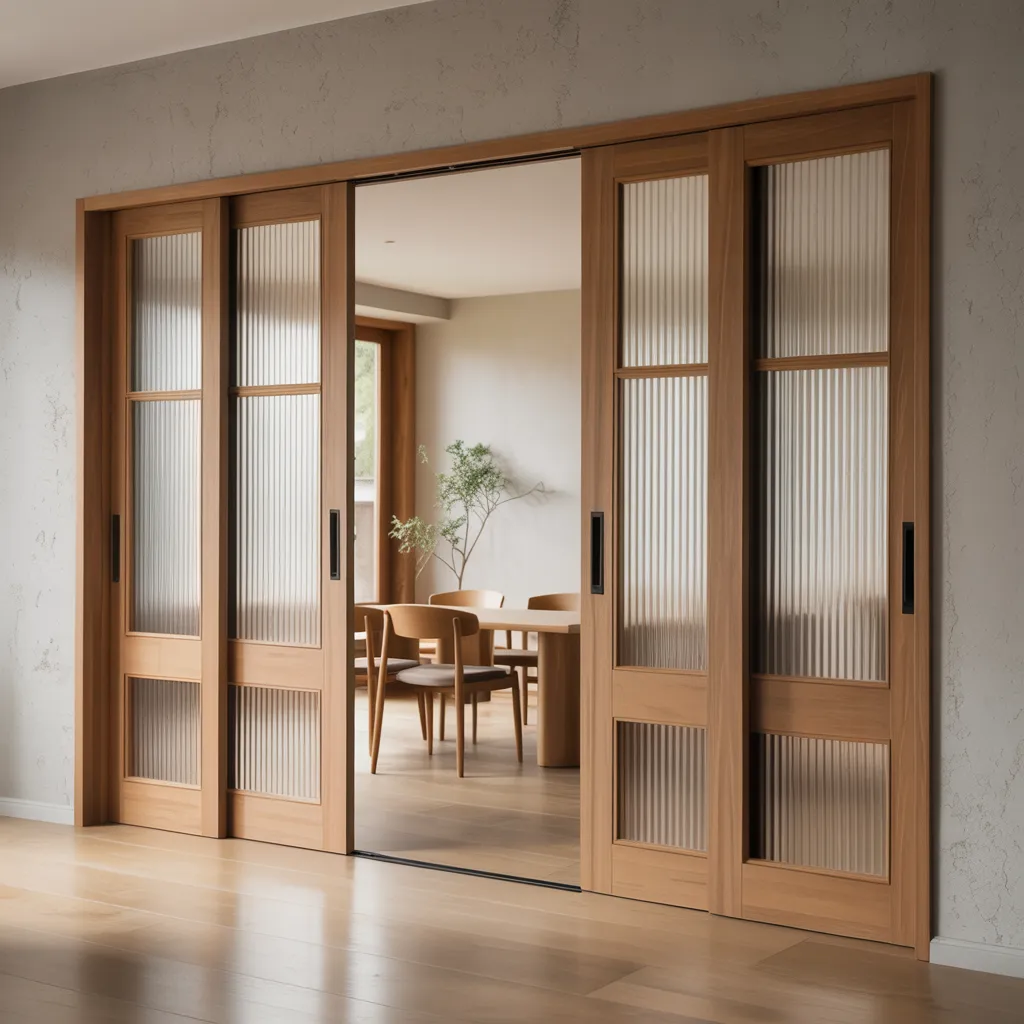
The Perks of Sliding Doors for Small Spaces
Sliding doors provide a variety of benefits particularly suited for small spaces. Their design allows for seamless shifts between living areas without the necessity of extra floor area for arc clearance. This quality is especially valuable in tight spaces where space is at a premium. In addition, sliding doors help maximize natural light flow, producing the impression of a more expansive environment.
Numerous sliding door varieties integrate glazed panels, which not only brighten interiors but also promote visual continuity between interior and exterior areas. Moreover, sliding doors can be customized to match numerous design preferences, enabling homeowners to preserve their personal aesthetic while making the most of space.
Additionally, they commonly feature with clutter-reducing hardware that minimizes clutter, additionally boosting the space's overall functionality. In summary, sliding doors provide an practical option for small areas, uniting practical use with modern styling to maximize usability and aesthetic appeal.
Selecting the Ideal Type of Sliding Door
When picking out the most suitable sliding door for a compact space, there are several factors to keep in mind. For starters, the door's dimensions and layout are critical. A pocket-style sliding door, which slides into the wall, can save floor space and enhance accessibility. Alternatively, bypass doors slide alongside each other, making them ideal for more narrow openings.
Next, the design of the door should complement the aesthetic of the room. Options range from traditional to contemporary designs, permitting homeowners to harmonize the door with their existing decor. Moreover, practical features also matter; some doors offer enhanced insulation or soundproofing features, offering significant value in versatile living spaces.
Finally, the simplicity of installation and upkeep is a key consideration. Homeowners ought to evaluate whether expert installation is required and how much maintenance the door will demand. Through assessing these aspects, individuals are able to find a sliding door that enhances both functionality and visual appeal.
Modern Materials for Sliding Doors
Material choice greatly impacts the functionality and aesthetic appeal of today's sliding doors. Modern options include metal, glass, wood, and composite materials, all of which offer unique benefits. Glass sliding doors, for instance, enhance natural light and create a sense of openness, making them ideal for small spaces. They can be framed with aluminum or wood for added durability and style.
Hardwood offers a warm aesthetic and is available in numerous stains and finishes, offering a traditional aesthetic that enhances classic interiors. Doors made of metal, commonly constructed with steel or aluminum, provide strength and security while preserving a polished, modern appearance.
Hybrid materials merge the finest qualities of wood and synthetic options, offering durability against moisture and structural warping. This range enables homeowners and designers to choose sliding doors that align with their specific needs and aesthetic preferences, ultimately optimizing spatial functionality and aesthetic appeal in smaller living spaces.
Useful Space-Saving Ideas With Sliding Doors
A well-placed sliding door can greatly enhance the practicality of limited spaces. By eliminating the need for swinging room, sliding doors free up more floor space, making them perfect for small spaces. Choosing a pocket sliding door can further optimize space, as it slides neatly into the wall when opened, ensuring the floor remains unobstructed.
Incorporating mirrored sliding doors can create the appearance of additional space while providing essential storage. With compact hallways or entry spaces, a rustic barn-style sliding door can add charm without compromising room dimensions.
To optimize functionality, explore multi-functional sliding doors that separate living areas while accommodating open-concept living when needed. Moreover, utilizing lighter materials can ease the operation of the door, providing effortless adjustments. Such useful strategies can turn limited spaces into functional, stylish environments, proving that great design can thrive in smaller areas.
Advanced Features for Privacy and Natural Light
How do smart features balance privacy needs with natural light transmission in sliding doors? Contemporary sliding doors featuring smart technology provide creative approaches to accomplishing both goals. Glass panels may include variable opacity settings, enabling users to transition from clear to frosted with a simple button press. This capability ensures that natural light flows into the area while preserving privacy as required.
In addition, smart window coverings, such as automated blinds or shades, can be configured to open or close based on the time of day or room usage, offering greater flexibility and convenience. Sensors can detect ambient light levels, adjusting the opacity or shading to optimize both privacy and illumination. In addition, integration with home automation systems enables homeowners to manage these features remotely, improving security and comfort. These innovations not only maximize the functionality of small spaces but also promote a harmonious balance of illumination and seclusion.
Installation and Maintenance Tips for Sliding Doors
Proper installation and upkeep of sliding doors can significantly improve their durability and performance. Correct installation starts with precise measurements to ensure a perfect fit within the frame. It is important to balance the track and carefully fasten it, which eliminates future performance complications. Routinely examining and washing the tracks try this is vital; grime and residue can impede movement. Lubricating the rollers and tracks with silicone spray helps maintain smooth operation.
When it comes to upkeep, checking the door seals regularly can prevent drafts and moisture intrusion. Additionally, addressing any scratches or dents promptly maintains the visual appearance. When misalignment occurs, repositioning the rollers may fix the concern. Homeowners should also examine the locking mechanisms to confirm that safety is not affected. By adhering to these installation and upkeep guidelines, homeowners can extend the performance and durability of their sliding doors, rendering them a worthwhile enhancement for limited spaces.

Frequently Asked Questions
Do Sliding Doors Help Boost Home Energy Efficiency?
Sliding doors can enhance home energy efficiency by offering improved insulation and minimizing air leakage. High-quality sliding doors, fitted with energy-saving glass, work to sustain interior temperatures, effectively reducing heating and cooling expenses for homeowners.
Are Sliding Doors Safe for Children and Pets?
Sliding doors can pose safety risks for children and pets because of their glass panels and the possibility of unintended opening. Nevertheless, protective features such as tempered glass and sturdy locks can address these concerns efficiently.
What Is the Best Way to Clean Sliding Door Tracks?
To scrub the tracks of sliding doors thoroughly, you should start by clearing away dirt and debris with a vacuum cleaner or brush, followed by utilize a soapy cloth to clean the tracks. Rinse well and dry completely to avoid future debris accumulation.
What Is the Average Lifespan of a Sliding Door?
The average lifespan of a sliding door usually spans between 20 and 30 years. Factors influencing durability consist of material quality, regular maintenance, and environmental conditions, each of which plays a vital role in the door's lifespan.